


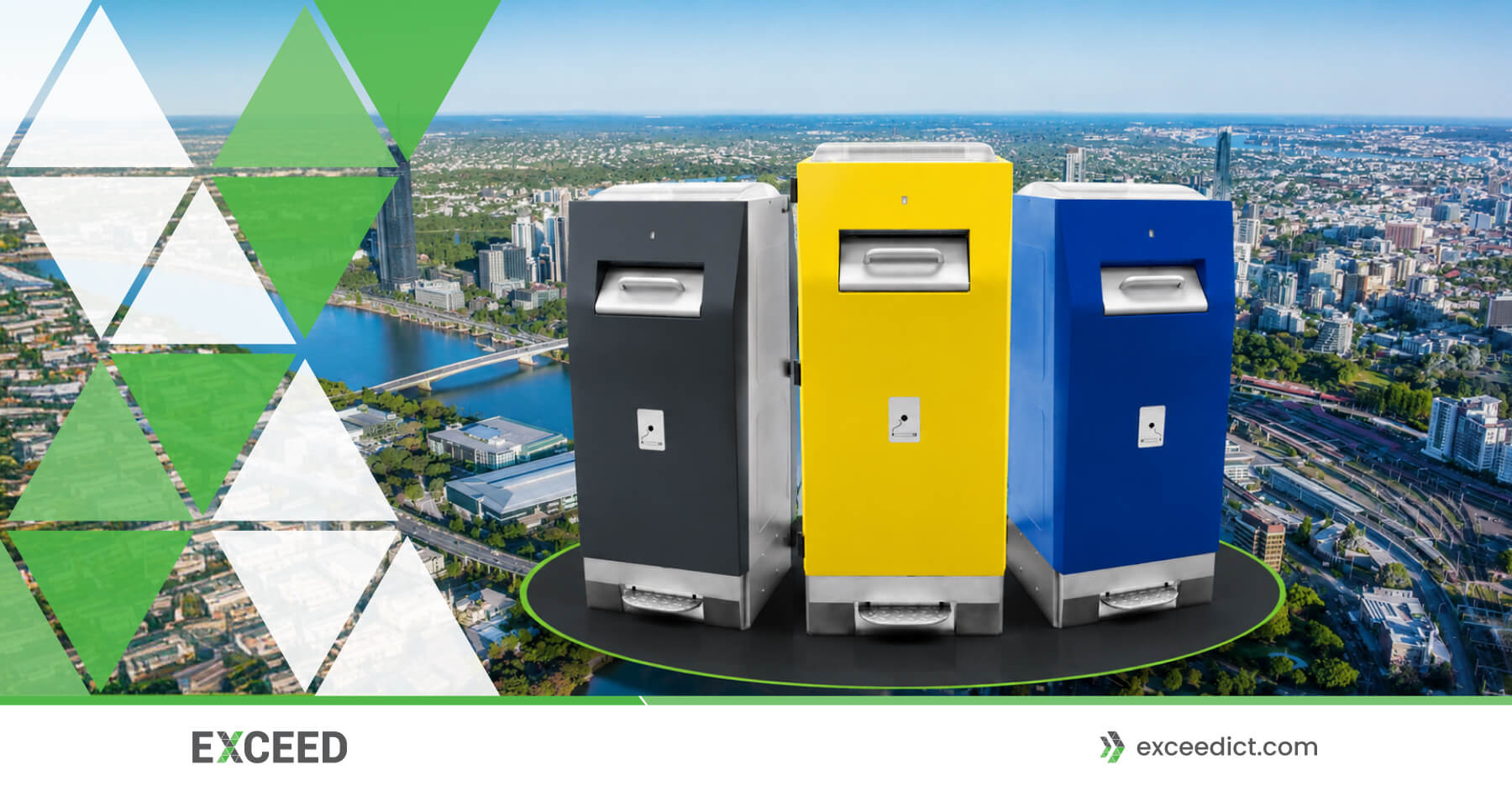
IoT waste management solutions address these challenges by using smart sensors, real-time monitoring, and data analytics to optimise waste collection and improve operational efficiency. These intelligent systems help councils, businesses, and organisations reduce costs, minimise landfill waste, support sustainability goals, and contribute to a smarter, more circular economy.
Australia is generating increasing volumes of waste due to population growth and urban development, placing greater pressure on waste management systems. Traditional collection methods often rely on fixed schedules, leading to unnecessary collections, higher costs, and increased carbon emissions.
This guide explores how IoT waste management solutions work, the technologies involved, their benefits, and how they are shaping the future of waste management in Australia.
What Are IoT Waste Management Solutions?
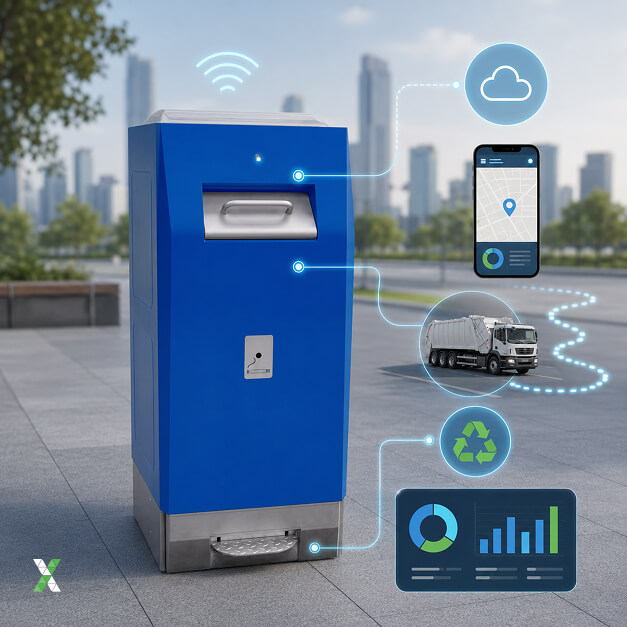 IoT waste management solutions use internet-connected devices and sensors to monitor waste containers, collection assets, and waste generation patterns in real time. Instead of relying on assumptions or predetermined collection schedules, these systems collect accurate data and provide visibility into actual waste levels and collection requirements.
The Internet of Things (IoT) refers to a network of connected devices that communicate and exchange data over the internet. In waste management, these devices are installed in bins, compactors, collection vehicles, and recycling facilities to create a connected ecosystem that continuously monitors waste operations.
The data collected is transmitted to cloud-based platforms where it can be analysed and displayed through dashboards and reporting tools. Waste operators can then use this information to optimise collection routes, reduce unnecessary collections, improve recycling performance, and enhance service delivery.
The result is a smarter, more efficient approach to waste management that benefits both organisations and the environment.
Why IoT Is Becoming Essential for Waste Management
The waste management industry is evolving rapidly as governments, businesses, and communities seek more sustainable and cost-effective solutions.
Several factors are driving the adoption of IoT waste management technologies across Australia:
- Increasing Waste Volumes: Australia generates millions of tonnes of waste annually, placing significant pressure on waste infrastructure and landfill facilities. Managing this growing volume requires more intelligent and scalable systems.
- Rising Operational Costs: Fuel, labour, vehicle maintenance, and landfill charges continue to increase. Waste operators are seeking ways to reduce costs without compromising service quality.
- Sustainability Targets: Many organisations have committed to reducing carbon emissions, increasing recycling rates, and supporting circular economy initiatives. IoT technologies provide the data required to achieve these goals.
- Smart City Development: Councils across Australia are investing in smart city infrastructure that improves urban services through technology. Smart waste management has become a key component of these initiatives.
- Data-Driven Decision Making: Modern organisations increasingly rely on real-time data to improve efficiency and optimise resource allocation. IoT waste management systems provide the insights necessary to support informed decision-making.
How IoT Waste Management Solutions Work?
Smart Bin Sensors
At the core of most IoT waste management systems are smart sensors installed within waste bins and containers.
These sensors continuously monitor waste levels and provide real-time information about:
- Bin fill levels
- Waste volume
- Temperature
- Weight
- Movement
- Collection history
Ultrasonic, infrared, radar, or laser-based sensors measure the distance between the sensor and the waste material inside the bin. As the bin fills, the system calculates the remaining capacity and updates the cloud platform accordingly.
Once a predefined threshold is reached, such as 80% or 90% capacity, collection teams receive automatic notifications indicating that servicing is required.
This eliminates unnecessary collections and ensures bins are emptied before they overflow.
Connectivity and Data Transmission
The effectiveness of IoT waste management relies on reliable communication between sensors and management platforms.
Data is transmitted using technologies such as:
NB-IoT (Narrowband IoT): NB-IoT is a low-power network technology designed specifically for connected devices that transmit small amounts of data over long distances.
LoRaWAN: LoRaWAN provides long-range wireless communication with low energy consumption, making it ideal for smart city applications.
Cellular Networks: Many systems use existing 4G and 5G networks to provide reliable real-time communication.
These communication networks enable continuous monitoring without requiring extensive infrastructure investments.
Cloud-Based Waste Management Platforms
All data collected by IoT devices is stored and analysed through cloud-based management platforms.
These platforms provide:
- Real-time dashboards
- Collection alerts
- Asset monitoring
- Route optimisation tools
- Sustainability reporting
- Historical performance analysis
Waste operators can access these systems from desktops, tablets, or mobile devices, ensuring complete visibility across all waste assets.
Cloud platforms also enable organisations to compare waste generation patterns across multiple locations and identify opportunities for improvement.
Dynamic Collection Routing
Traditional waste collection often follows fixed schedules regardless of whether bins require servicing.
IoT waste management solutions replace this approach with dynamic routing.
Using real-time sensor data, route optimisation software automatically identifies which bins need collection and generates the most efficient route for collection vehicles.
Benefits include:
- Reduced fuel consumption
- Lower labour costs
- Fewer vehicle kilometres travelled
- Faster collection times
- Reduced greenhouse gas emissions
This approach ensures resources are used more effectively while maintaining high service standards.
Key Technologies Driving IoT Waste Management
Fill-Level Monitoring Sensors
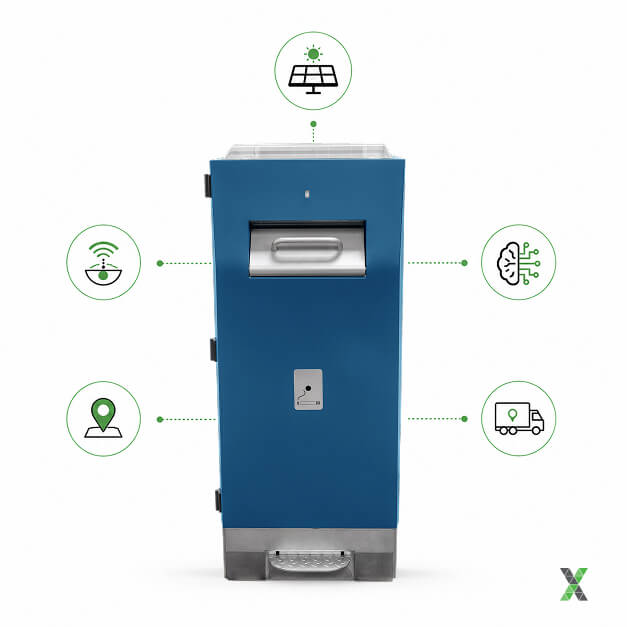 Fill-level sensors provide accurate waste measurements that form the foundation of smart waste management systems.
Benefits include:
- Real-time visibility
- Overflow prevention
- Improved collection planning
- Better asset utilisation
By understanding exactly how quickly bins fill, organisations can develop more efficient collection strategies.
Solar-Powered Smart Bins
Solar-powered smart bins combine IoT connectivity with waste compaction technology.
These bins automatically compress waste, increasing storage capacity by up to eight times compared to conventional bins.
Advantages include:
- Reduced collection frequency
- Lower operational costs
- Improved public cleanliness
- Reduced carbon emissions
Solar power enables continuous operation without external power sources, making these bins suitable for parks, transport hubs, shopping precincts, and public spaces.
GPS Fleet Tracking Systems
Waste collection vehicles can also be connected to IoT platforms through GPS tracking systems.
These solutions provide:
- Real-time vehicle location
- Route monitoring
- Driver behaviour analysis
- Fuel consumption tracking
- Fleet utilisation reporting
Fleet managers can identify inefficiencies and optimise vehicle performance to reduce costs and improve service delivery.
Artificial Intelligence and Predictive Analytics
Artificial intelligence is increasingly enhancing IoT waste management systems.
AI algorithms analyse historical and real-time data to:
- Predict waste generation patterns
- Forecast collection demand
- Identify seasonal trends
- Improve route planning
- Optimise resource allocation
For example, waste volumes often increase during festivals, sporting events, holiday periods, or tourist seasons. Predictive analytics helps organisations prepare for these fluctuations before they occur.
Vision AI and Automated Waste Sorting
Advanced recycling facilities are beginning to use AI-powered vision systems to improve resource recovery.
These systems can:
- Identify recyclable materials
- Detect contamination
- Sort waste automatically
- Improve recycling quality
Vision AI helps maximise recovery rates while reducing manual labour requirements and improving processing efficiency.
Benefits of IoT Waste Management Solutions
Reduced Operational Costs
One of the most significant advantages of IoT waste management is cost reduction.
By eliminating unnecessary collections and improving route efficiency, organisations can significantly lower:
- Fuel expenses
- Vehicle maintenance costs
- Labour requirements
- Administrative overhead
Many organisations achieve substantial operational savings after implementing smart waste systems.
Improved Collection Efficiency
Real-time monitoring ensures collection teams focus only on bins that require servicing.
This leads to:
- Faster collections
- Improved productivity
- Better fleet utilisation
- More reliable service delivery
Waste operators can manage larger service areas without increasing resources.
Enhanced Sustainability Outcomes
IoT waste management directly supports environmental objectives.
Benefits include:
- Reduced greenhouse gas emissions
- Lower fuel consumption
- Increased recycling rates
- Reduced landfill waste
- Improved resource recovery
These outcomes align with Australia’s broader sustainability and circular economy goals.
Cleaner Public Spaces
Overflowing bins create visual pollution, attract pests, and generate public complaints.
Smart waste monitoring helps prevent these issues by ensuring bins are serviced before reaching capacity.
This contributes to cleaner streets, parks, public transport hubs, and community spaces.
Better Decision-Making Through Data
Access to accurate data enables organisations to make informed decisions based on actual waste generation patterns rather than assumptions.
This supports:
- Strategic planning
- Budget forecasting
- Infrastructure investment decisions
- Sustainability initiatives
Data-driven insights help organisations continuously improve waste management performance.
How Exceed ICT Supports IoT Waste Management Solutions?
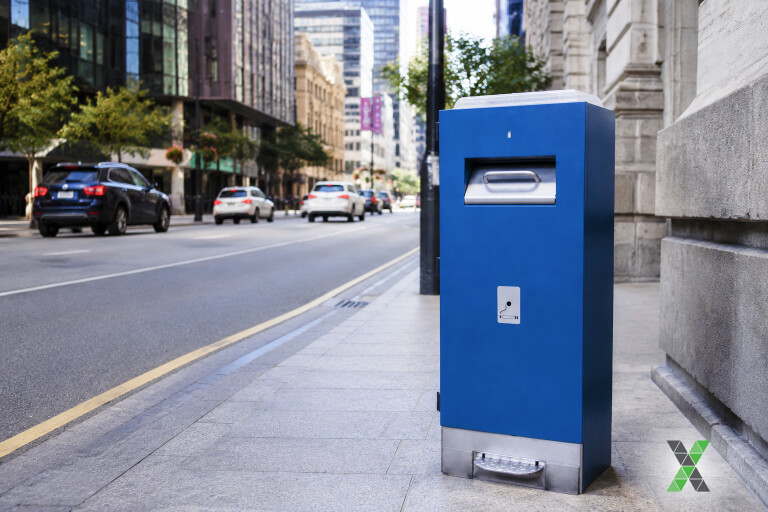 Exceed ICT provides innovative waste intelligence solutions through advanced sensor technology and software platforms designed to transform waste management operations.
By leveraging smart sensors and real-time analytics, Exceed ICT helps councils, businesses, and organisations gain valuable insights into waste generation and collection patterns.
The Matter platform delivers:
- Real-time waste monitoring
- Smart collection optimisation
- Sustainability reporting
- Waste behaviour analysis
- Operational performance tracking
These solutions help organisations reduce costs, improve service efficiency, and accelerate their transition towards a circular waste economy.
Conclusion
IoT waste management solutions are revolutionising how waste is monitored, collected, and managed across Australia. By combining smart sensors, cloud-based platforms, AI analytics, and route optimisation technologies, organisations can significantly improve operational efficiency while reducing environmental impact.
As sustainability targets become increasingly important and smart city initiatives continue to expand, IoT-enabled waste management will play a critical role in helping councils, businesses, and communities create cleaner, more efficient, and more sustainable environments.
Organisations that embrace these technologies today will be better positioned to reduce costs, improve resource recovery, enhance service delivery, and contribute to Australia’s transition towards a circular economy.
Call us on 1300 832 639 or simply search “Exceed ICT” on Google Maps to find a location near you and connect with our team today.
We also provide Managed Services, Asset Management, IoT Helpdesk, Fleet Management, Project Management, Telecoms Expense Management.
Improve Your Business Core values, Business Consulting, Network Management, Telstra Adaptive Mobility, Device Enrolment, and many more Solutions.
Find us (Exceed ICT) on Google map.